Coverage
Extend patrol reach across perimeters, yards, warehouses, campuses, and after-hours zones with scheduled and verified missions.
GP & N is the command layer for autonomous security fleets. Plan patrols, dispatch robots, supervise live missions, escalate incidents, and prove coverage — across one site or many.
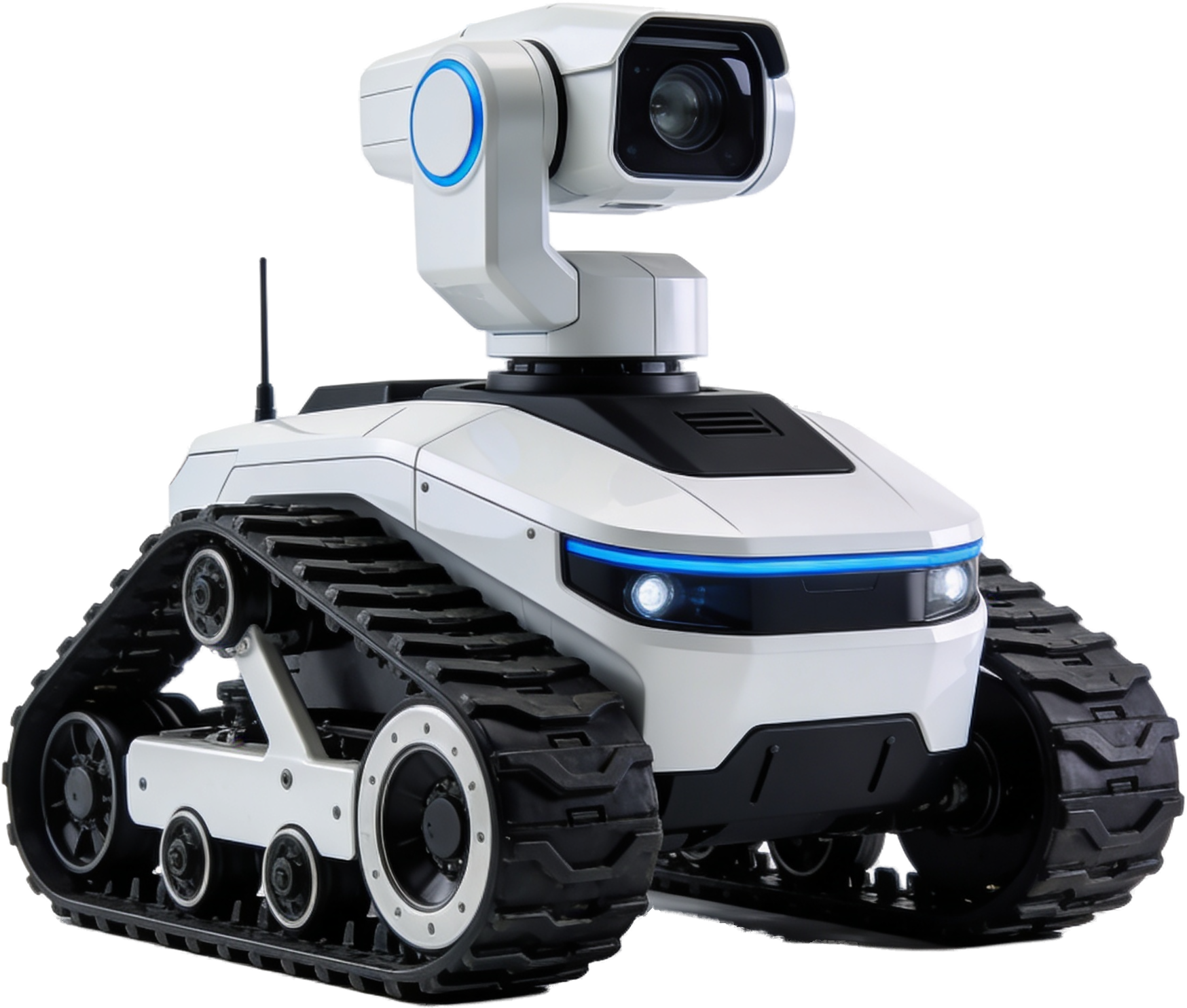
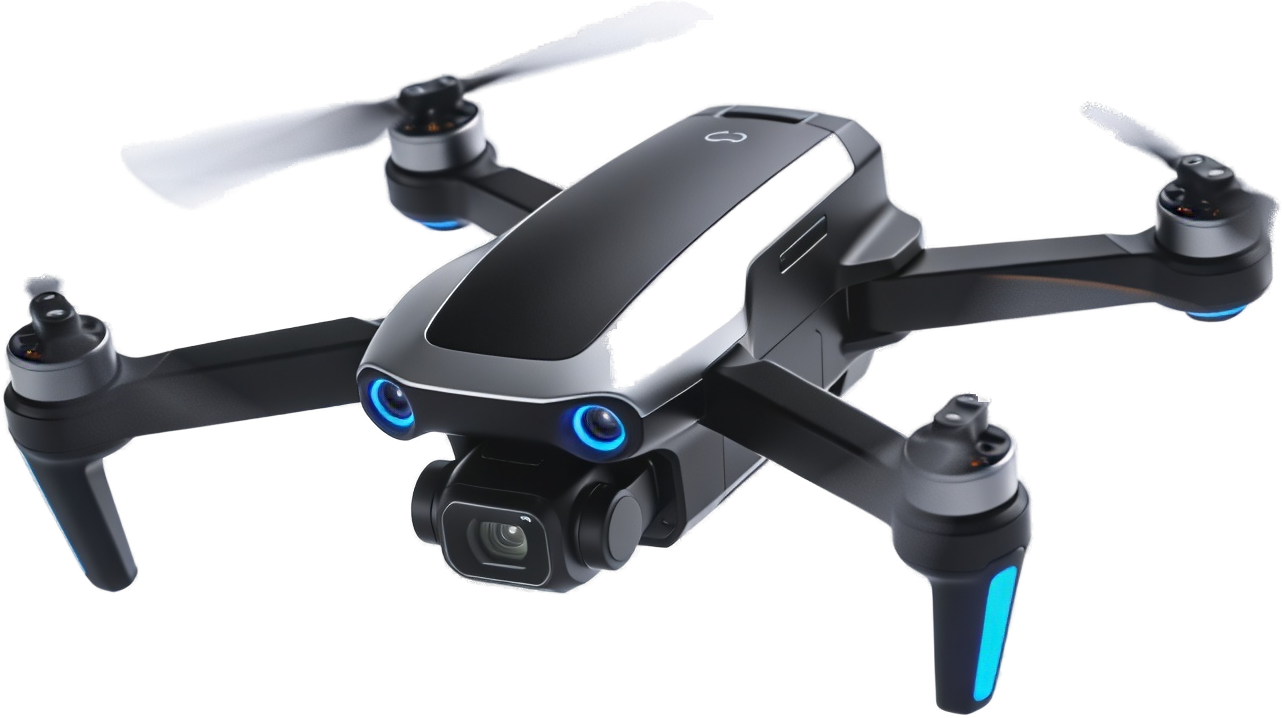
Security teams are asked to cover more ground with fewer reliable resources. Fixed cameras give visibility but no physical presence. Guards walk patrols, but coverage is hard to verify and expensive to scale across large sites and after-hours windows.
Autonomous robots add mobility, repeatable inspection, and continuous presence — but only when they are coordinated as part of a real operation. Unmanaged robots become one more disconnected system on the SOC console.
Robotic patrol becomes useful when it’s managed like a security operation, not a science project.
Plan patrols, monitor robots, coordinate operators, respond to incidents, and prove coverage — all from a single operations console designed for security teams.
Extend patrol reach across perimeters, yards, warehouses, campuses, and after-hours zones with scheduled and verified missions.
Operators stay in command. Monitor patrols, intervene remotely, redirect robots, and escalate response workflows in real time.
Every mission produces a record: routes completed, alerts generated, operator actions taken, and evidence captured.
From a single robot at one site to distributed fleets across many sites — under one console and standardized procedures.
Connects to your VMS, access control, SOC tools, ticketing, and APIs. Fits into existing security programs, not around them.
Define patrol routes, schedules, and geofenced zones for each site. Build templates your team can reuse across the fleet.
Send robots on autonomous missions on schedule or on demand. The platform handles assignment, battery awareness, and exceptions.
Operators watch live video, telemetry, and patrol progress across every active robot from a single command view.
When something needs attention, take over remotely, redirect a robot, escalate to on-site teams, or trigger a documented response.
Patrol completion, alerts, incidents, and operator actions are logged automatically. Export reports for customers, auditors, and stakeholders.
Parking decks, visitor zones, after-hours movement, and distributed buildings stretch guard coverage thin.
Consistent routes, live patrol status, and escalation workflows across every zone.
Large footprints, loading docks, and after-hours access create blind spots cameras alone can’t close.
Repeatable dock and perimeter checks with remote supervision and evidence capture.
Perimeter exposure, equipment theft, sparse staffing, and harsh environments make patrols expensive.
Mobile inspection, route verification, and remote situational awareness across wide areas.
Theft, vandalism, and changing layouts make traditional patrols hard to plan and verify.
Flexible route planning, remote monitoring, and fast redeployment as the site evolves.
Multi-level lots are high-incident, low-visibility environments that exhaust roving guards.
Scheduled level-by-level sweeps with live video and operator-driven escalation.
High-accountability sites need continuous visibility and documented patrol history.
Auditable patrols, restricted-zone enforcement, and integration with existing SOC workflows.
Live robot status, site map, patrol progress, alerts, and operator assignment — on a single console built for security operations, not robot demos.
Motion · Zone 4 · Operator assigned
Unit 02 · Charging dock
Onboard detection surfaces people, vehicles, and contextual situations in real time. Operators review, escalate, and document every event — with evidence packets ready for SOC review, customer reports, and compliance audits.

Robotic patrol should augment your security program, not replace your judgement. The platform is built around human oversight, role-based access, and a complete audit trail.